
When You Both Want It… But Neither of You Has the Energy
There’s a moment many couples quietly recognize:
You’re in bed.
You’re finally together.
And you think:
“We should… but I’m too tired to start.”
So nothing happens.
Not because the connection is gone.
Not because the attraction isn’t there.
But because:
- You’re both mentally drained
- Your bodies feel heavy
- Intimacy feels like effort instead of ease
And over time, those moments add up.
The Real Problem Isn’t Desire—It’s Friction
Most couples don’t lose intimacy overnight.
They slowly lose it because:
It starts to feel like work.
- Too much movement
- Too much expectation
- Too much pressure to “do it right”
So instead of leaning in, you both pull back.
What If Intimacy Didn’t Require Effort?
Lazy sex for couples isn’t about doing less for the sake of it.
It’s about removing friction so connection can happen naturally.
When you take away:
- Performance pressure
- Physical strain
- Overthinking
You create space for something better:
Effortless intimacy that actually feels good again
The Couple Shift: From “Initiating” to “Allowing”
Most couples think intimacy starts with initiation.
But when you’re tired, initiation feels like a task.
Instead, try this shift:
Don’t “start sex”
Just start closeness
- Lying closer
- Touching without expectation
- Letting things unfold naturally
That’s often enough to reopen connection.
5 Low-Effort Intimacy Styles Couples Actually Stick With
These aren’t about performance.
They’re about making intimacy feel easy enough to happen consistently.
1. The Side-by-Side Reset
Both partners lie on their sides, facing each other or aligned.
Why couples love it:
- No pressure on the body
- Minimal movement required
- Feels natural, not forced
This is often where reconnection begins—quietly and comfortably.
2. The Stay-There Connection
nstead of constant motion, focus on staying close and letting sensation build.
Why it works:
- Removes performance pressure
- Encourages presence
- Feels more intimate than active
Less movement, more awareness.
3. The Supported Comfort Position
Adding support (under hips, back, or legs) removes physical strain.
Why it matters:
- No one has to “hold” their body up
- Reduces fatigue instantly
- Makes positions feel easier
Support is often the difference between effort and ease.
4.The Seated Slowdown
One partner sits, the other settles in—no balancing, no effort.
Why couples prefer it:
- Easy control of pace
- Stable and grounded
- Requires very little energy
Perfect for reconnecting after a long day
5. The No-Goal Night
This is the most important one.
You agree:
No expectations
No pressure to “finish”
Just connection
Why it works:
- Removes performance anxiety
- Makes intimacy feel safe again
- Often leads to more—not less
When there’s no goal, desire has room to return.
Why This Actually Brings Couples Closer
Effortless intimacy does something most “techniques” don’t:
It lowers resistance.
When both partners feel:
- Relaxed
- Supported
- Not pressured
They become more open.
And openness is what creates:
- Better communication
- Stronger emotional connection
- More consistent intimacy
Most Couples Don’t Need More Effort—They Need Less Resistance
If intimacy has felt harder lately, it’s not a failure.
It’s a signal.
Your current approach requires too much energy for real life.
And real life is busy, tiring, and unpredictable.
So your intimacy needs to adapt—not disappear.
Simple Tools That Make Intimacy Effortless Again
If you want to make these shifts easier, the right tools can remove friction instantly:
These help both partners stay comfortable without strain, making positions feel natural instead of physically demanding.
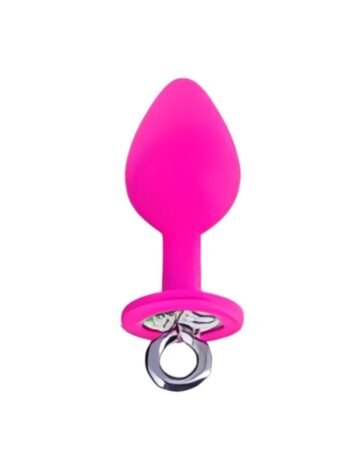
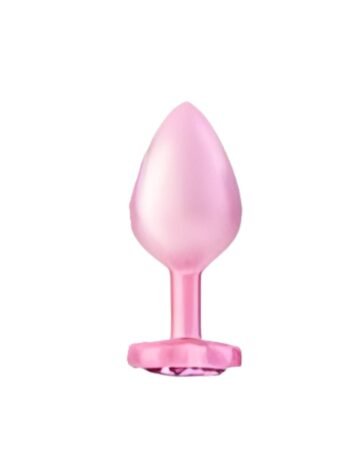
Designed for shared use, these enhance sensation without requiring more movement—perfect for low-energy intimacy.
Massage oils or soft-touch products help transition from “stress mode” to “connection mode” quickly.
The right support doesn’t replace intimacy—it makes it easier to return to.
Final Thought
You don’t need to try harder as a couple.
You don’t need more energy, more techniques, or more pressure.
You just need to make intimacy…
Easy enough to say yes to again.
Because when connection feels effortless—
It happens more often.